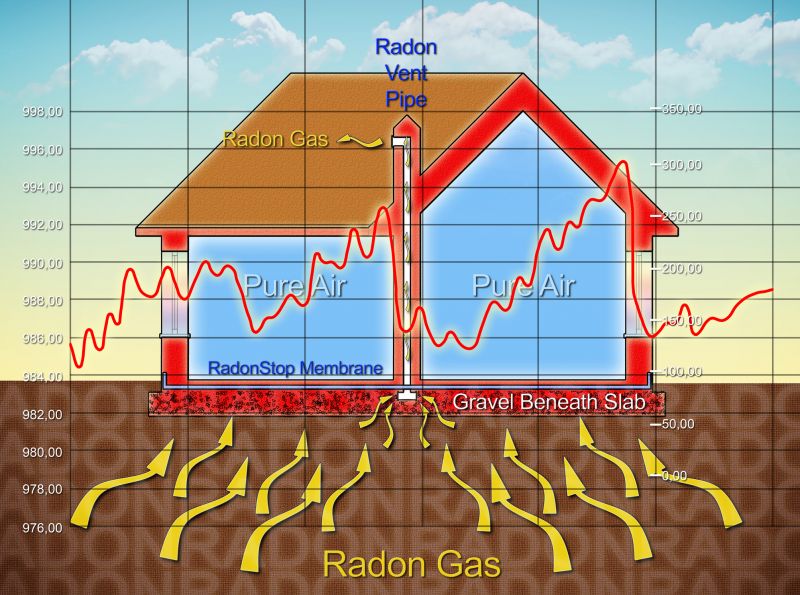
Radon Gas Abatement in Chicago, IL
Radon gas abatement services focus on reducing indoor radon levels to promote healthier living environments for homeowners. These services typically involve installing specialized ventilation systems, such as sub-slab depressurization or soil suction methods, to prevent radon from seeping into the property. Projects can include new construction homes, existing residences, or multi-unit buildings where elevated radon levels have been identified. Property owners often seek information about the process, costs, and how radon levels are tested and monitored before and after mitigation efforts.
Before requesting radon gas abatement, property owners usually want to understand the potential health risks associated with radon exposure and how the mitigation process can address these concerns. It’s common to inquire about the effectiveness of different systems, the scope of work needed for their specific property, and any necessary maintenance or ongoing testing to ensure radon levels remain safe over time. Having a clear understanding of these aspects can help homeowners make informed decisions about their indoor air quality.
Many property owners in Chicago, IL look into Radon Gas Abatement for repairs, replacements, upgrades, and appearance-related improvements.
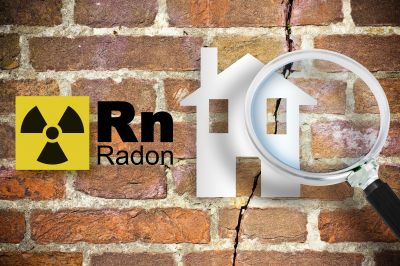
Radon Gas Risks
Understanding radon levels is essential for maintaining a safe indoor environment in chicago homes.
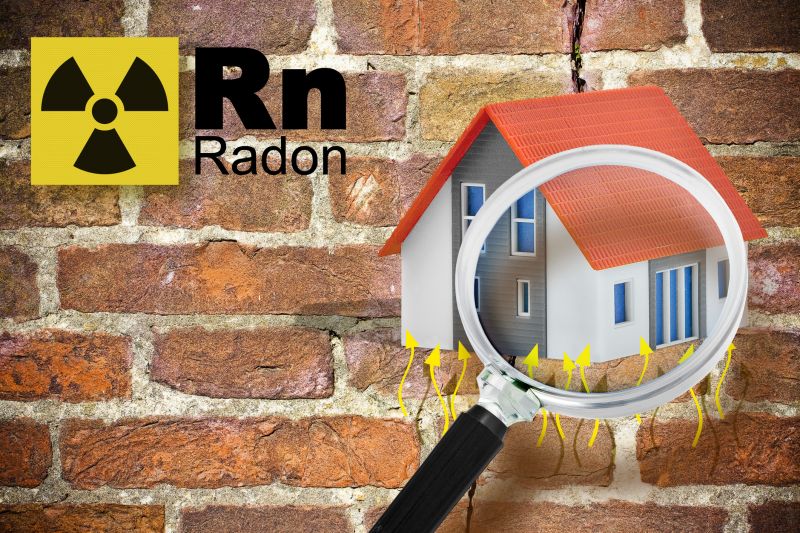
Abatement Solutions
Effective radon mitigation involves specialized systems to reduce indoor radon concentrations in residential and commercial properties.
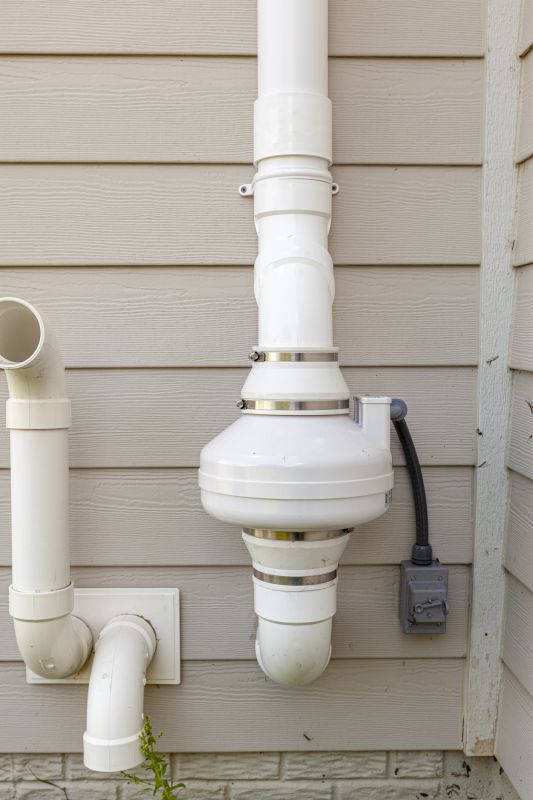
Property Safety Measures
Implementing radon abatement can help protect occupants and ensure compliance with health standards in the chicago area.
Radon Gas Abatement in Chicago, IL

Radon gas abatement services focus on reducing indoor radon levels to promote healthier living environments for homeowners. These services typically involve installing specialized ventilation systems, such as sub-slab depressurization or soil suction methods, to prevent radon from seeping into the property. Projects can include new construction homes, existing residences, or multi-unit buildings where elevated radon levels have been identified. Property owners often seek information about the process, costs, and how radon levels are tested and monitored before and after mitigation efforts.
Before requesting radon gas abatement, property owners usually want to understand the potential health risks associated with radon exposure and how the mitigation process can address these concerns. It’s common to inquire about the effectiveness of different systems, the scope of work needed for their specific property, and any necessary maintenance or ongoing testing to ensure radon levels remain safe over time. Having a clear understanding of these aspects can help homeowners make informed decisions about their indoor air quality.
Many property owners in Chicago, IL look into Radon Gas Abatement for repairs, replacements, upgrades, and appearance-related improvements.
Common Radon Gas Abatement Jobs
Radon mitigation systems - installation of ventilation solutions to reduce radon levels in homes.
Sub-slab depressurization - creating a venting pathway beneath the foundation to draw radon away.
Sealing foundation cracks - sealing entry points to limit radon infiltration into living spaces.
Basement radon testing - measuring radon levels to identify if abatement is necessary.
Soil venting solutions - installing vent pipes to safely vent radon gases outside.
Radon mitigation consultations - assessing property to recommend effective radon reduction methods.

Radon Gas Abatement Questions
What is radon gas abatement? Radon gas abatement involves reducing radon levels in a property to improve indoor air quality and safety.
When should a property owner consider radon mitigation? Radon mitigation is recommended if testing shows elevated radon levels above safety guidelines.
What types of properties typically need radon abatement? Radon abatement is common in residential homes, especially in areas with high radon potential, as well as in commercial buildings.
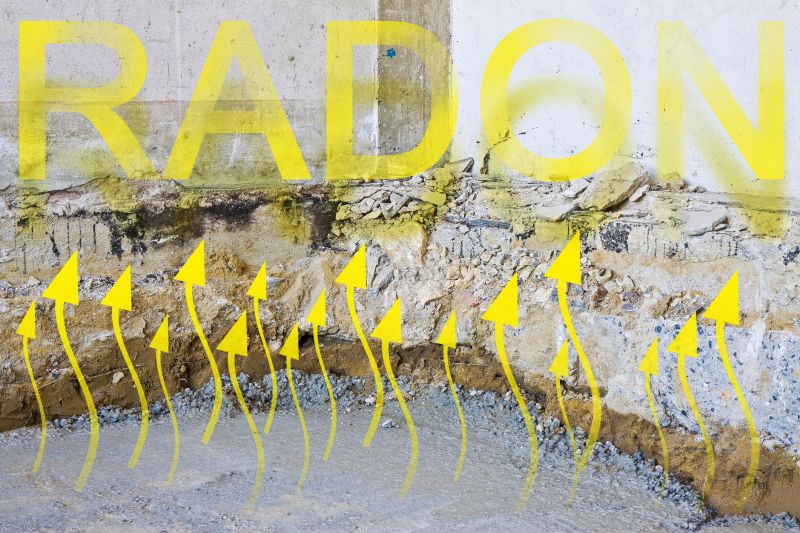
How does radon gas enter a building? Radon typically enters through cracks in foundations, gaps around pipes, and other openings in the building’s structure.
Request Radon Gas Abatement in Chicago, IL
Use the quote form on this page to share the basics of your project and request more information for the type of work you need.